Updated August 26, 2026
Cocoa Beach is best known for the ocean, surfing and Kennedy Space Center nearby, but some of the most interesting things here are alive.
The Atlantic beach is only one side of the story. Just behind the barrier island lies the Banana River Lagoon, part of the larger Indian River Lagoon system and home to dolphins, manatees, rays, fish and an impressive variety of coastal birds.
And one fun fact to start with: the Banana River isn’t actually a river. Neither is the Indian River. They are shallow coastal lagoons separated from the Atlantic by barrier islands. Much of the Indian River Lagoon averages only about four feet deep.
What Wildlife Can You See in Cocoa Beach?
The animals visitors are most likely to ask us about are:
Dolphins — year-round in the lagoon
Manatees — present in the Indian and Banana River system throughout the year, although sightings vary
Sea turtles — especially important during nesting season along the Atlantic beach
Ospreys, pelicans, herons and other coastal birds — common around the waterways
Roseate spoonbills and bald eagles — possible around the wider Space Coast
Alligators — yes, they live in the region, but Cocoa Beach itself is not where we would go looking for them
Here’s what we would realistically expect to see – and where.
Dolphins in Cocoa Beach
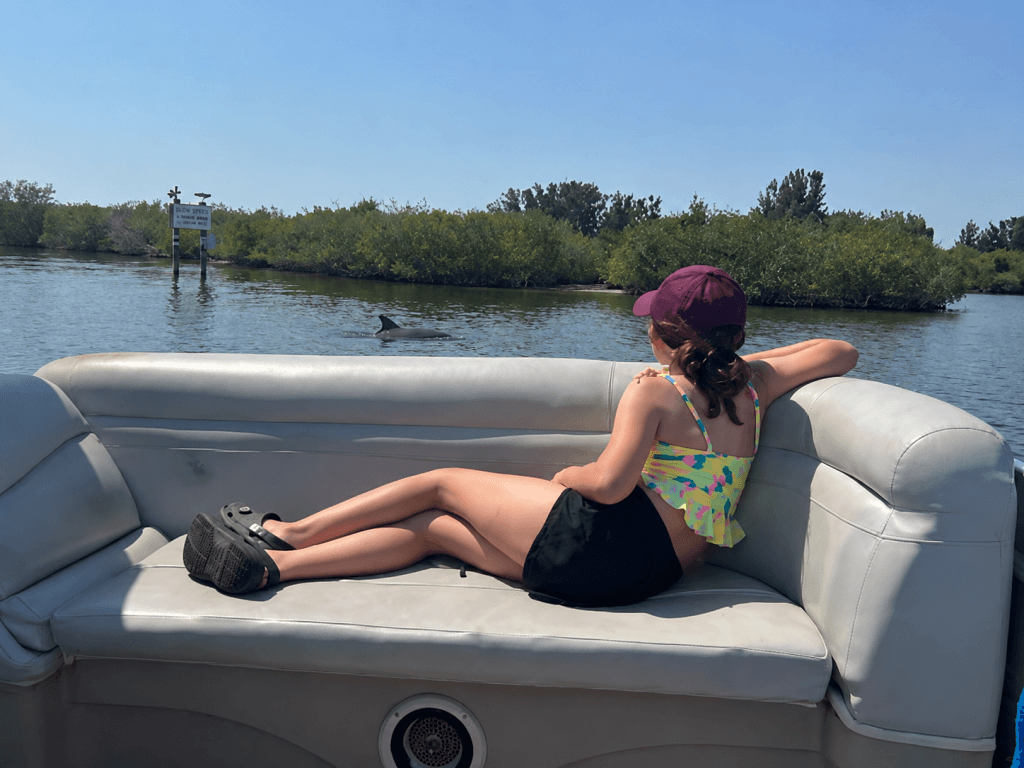
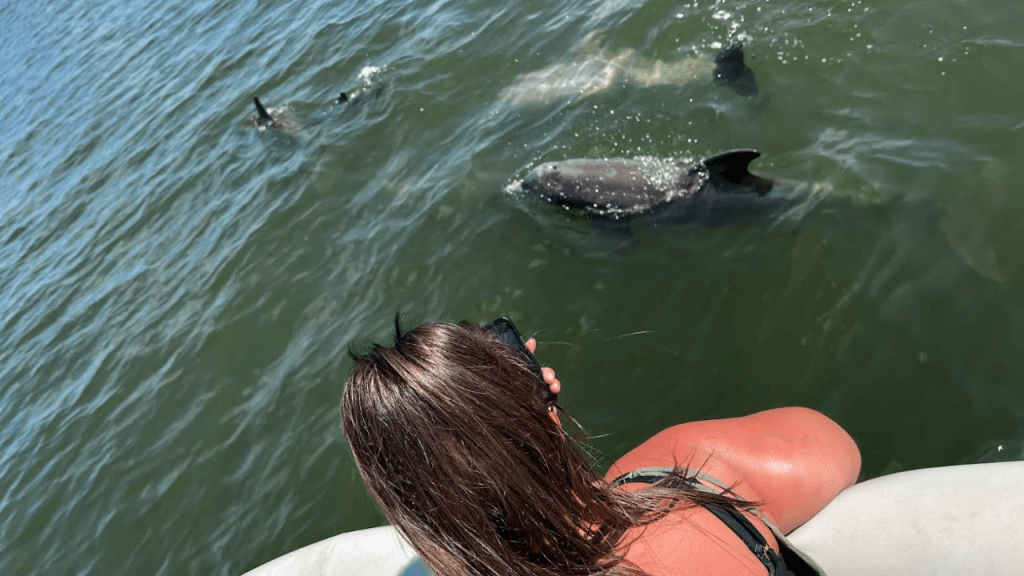
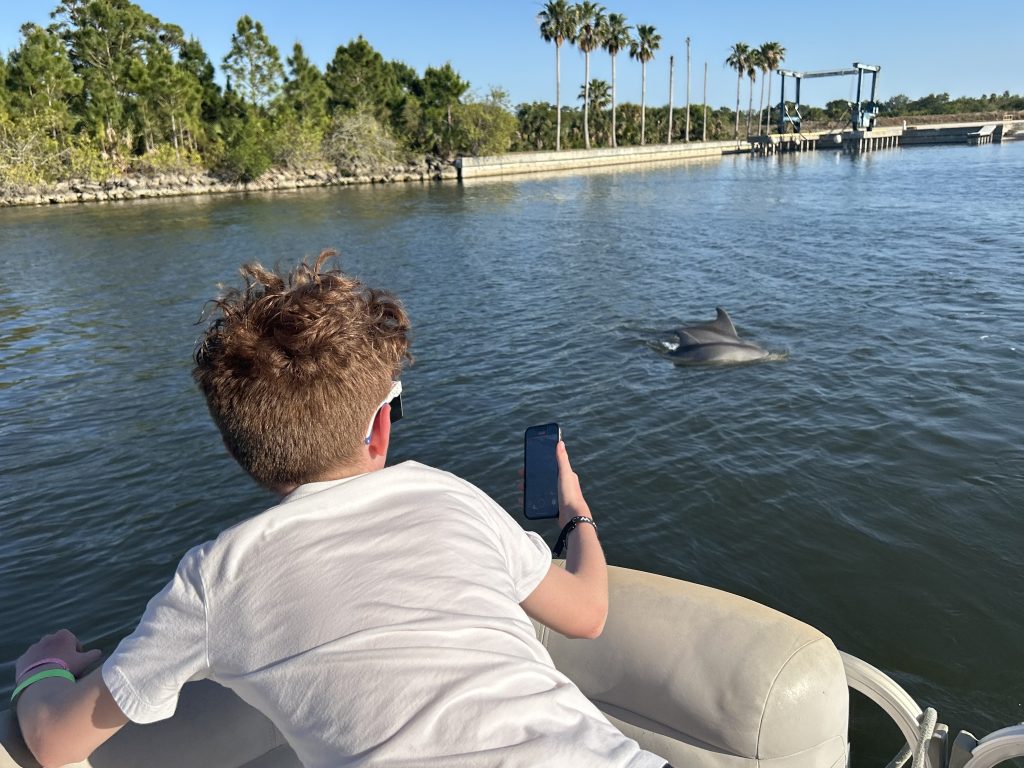
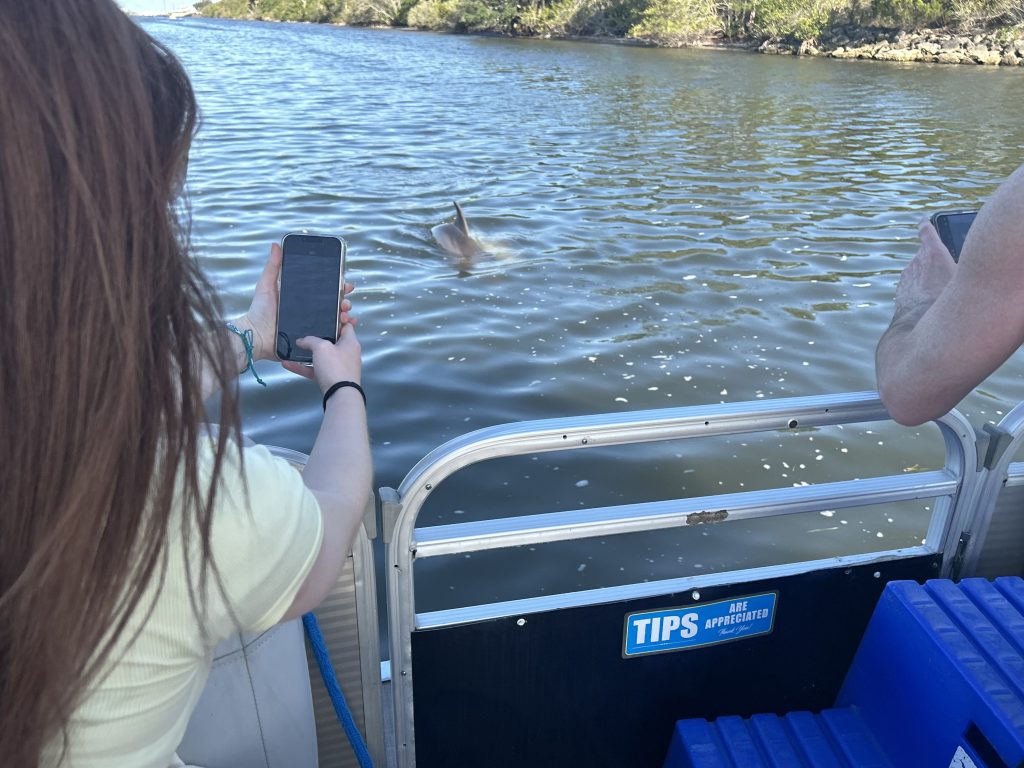
If dolphins are your priority, look toward the lagoon rather than the ocean beach.
Bottlenose dolphins live in the Indian River Lagoon system year-round, including the Banana River behind Cocoa Beach and Cape Canaveral.
What makes them particularly interesting is that these aren’t simply ocean dolphins passing through. NOAA recognizes the Indian River Lagoon Estuarine System dolphins as a distinct stock, and research has shown strong long-term attachment to the lagoon. Some individually identified dolphins were documented here over periods exceeding 20 years.
That changes the way we think about them: many of the dolphins you see here genuinely live here.
From a boat, you may see them traveling, feeding, surfacing quietly beside the mangroves or occasionally becoming curious about the activity around a vessel. Every day is different — which is exactly what makes watching genuinely wild dolphins interesting.
Best place to look: Banana River Lagoon and Indian River Lagoon
When: Year-round
Manatees in Cocoa Beach
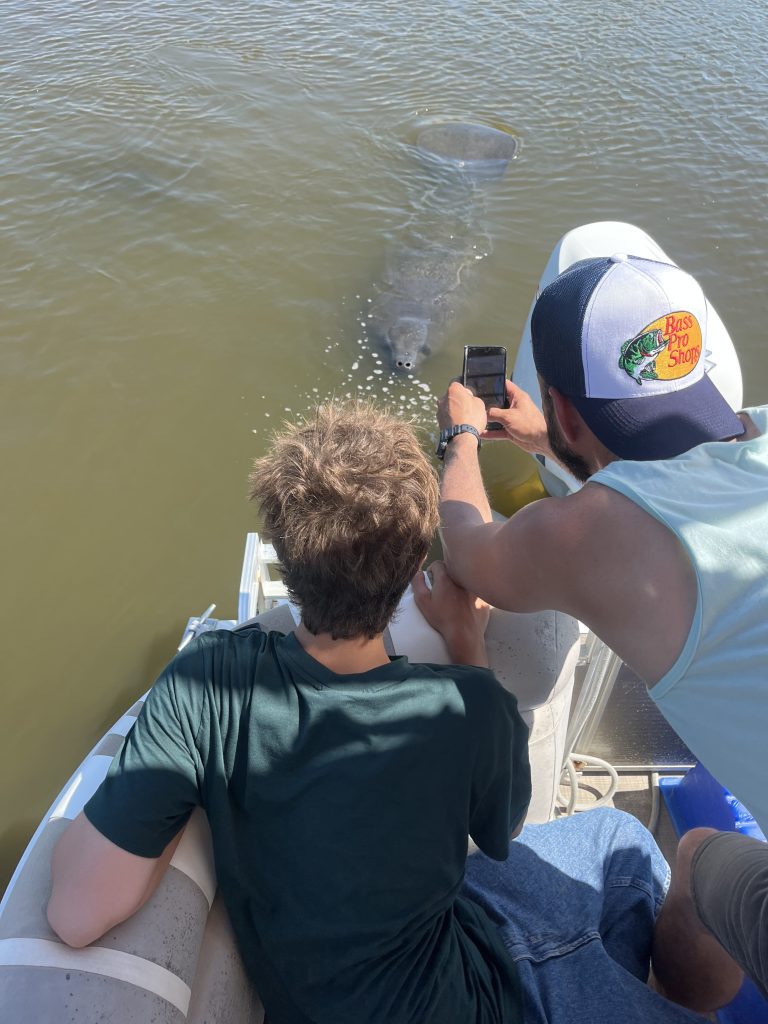
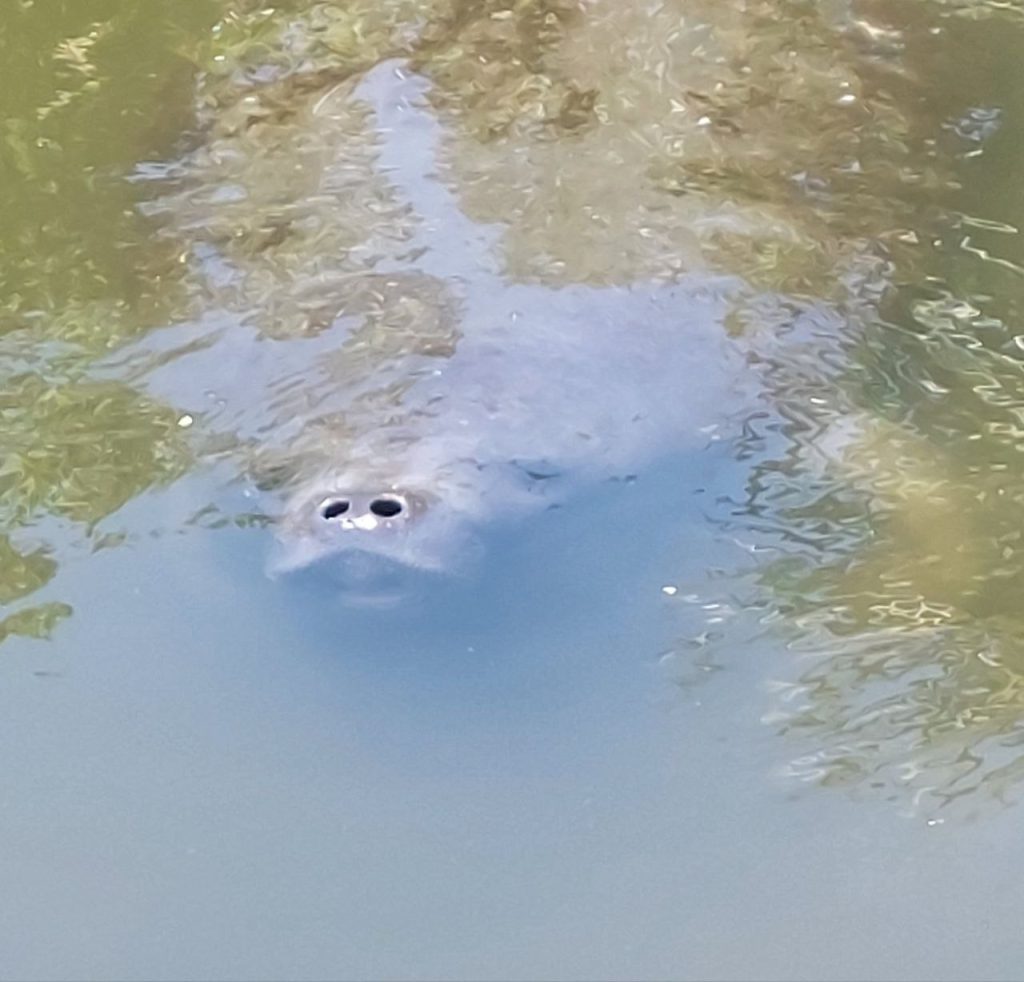
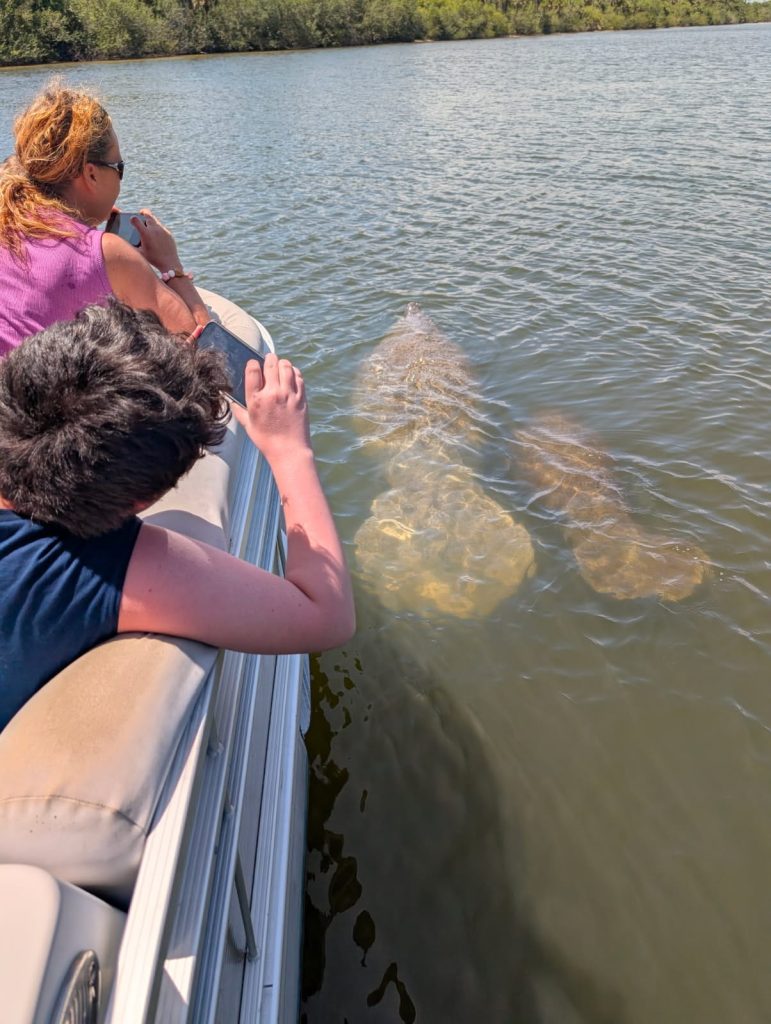
Manatees are another true lagoon resident.
The Indian River Lagoon provides important manatee habitat throughout the year, and the Indian and Banana Rivers have historically been significant feeding and gathering areas. Their location changes with water temperature, food availability and season, so there is never one guaranteed spot.
They can be surprisingly easy to miss. Often the first sign isn’t a huge animal at the surface — it’s a nose appearing for a breath, a circular disturbance in otherwise calm water, or a broad shadow moving beneath the boat.
If you see one, give it space. Never feed, touch, chase or try to attract a manatee.
Best place to look: calm lagoon waters, canals and shallow vegetated areas
When: Possible year-round; location and concentration change seasonally
Sea Turtles in Cocoa Beach
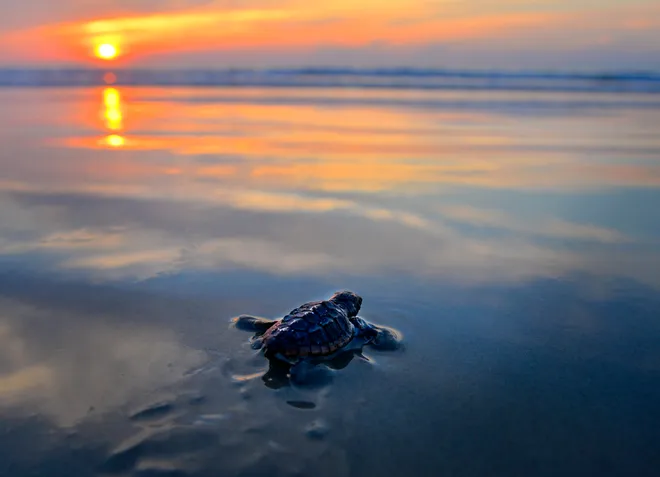
Sea turtles belong mostly to the ocean side of Cocoa Beach.
Brevard County has extraordinary nesting activity. In 2025 alone, monitoring recorded more than 22,000 loggerhead nests, 30,000 green turtle nests and 100 leatherback nests along surveyed Brevard coastline.
Nesting can begin as early as March here. Most nesting and hatching activity happens at night, so visitors usually won’t find turtles casually lying on the beach during the day. What you may notice in the morning are marked nests or tracks left in the sand.
If you are lucky enough to encounter a nesting turtle or hatchlings, keep your distance, avoid flashlights and flash photography, and never interfere with their path to or from the ocean.
Best place to look: Atlantic beaches
When: Spring through the warmer nesting months
Birds — Look Up More Often
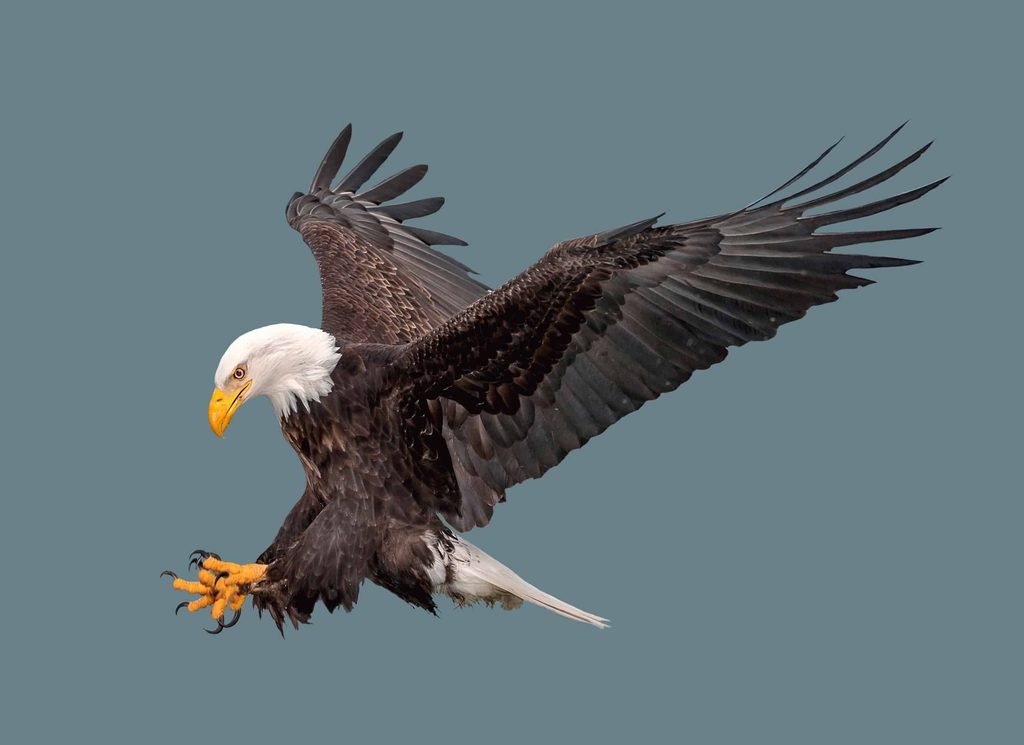
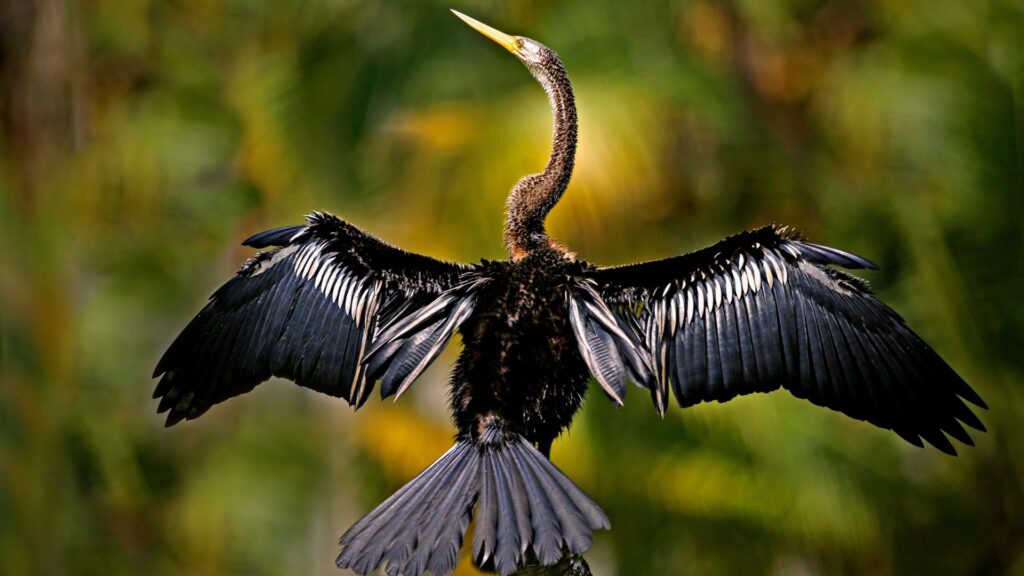
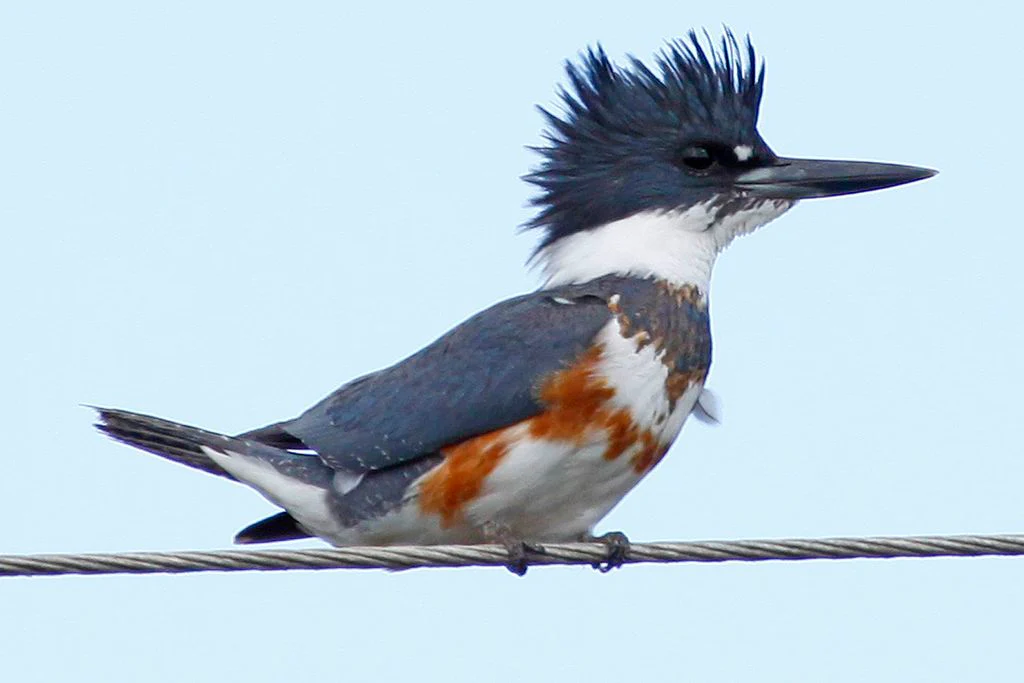
Wildlife here isn’t only in the water.
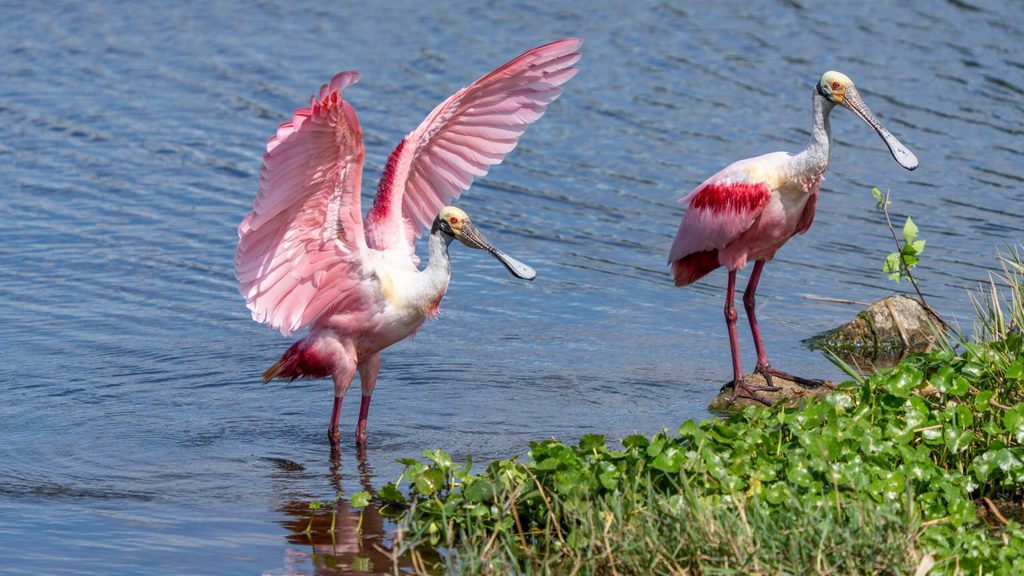
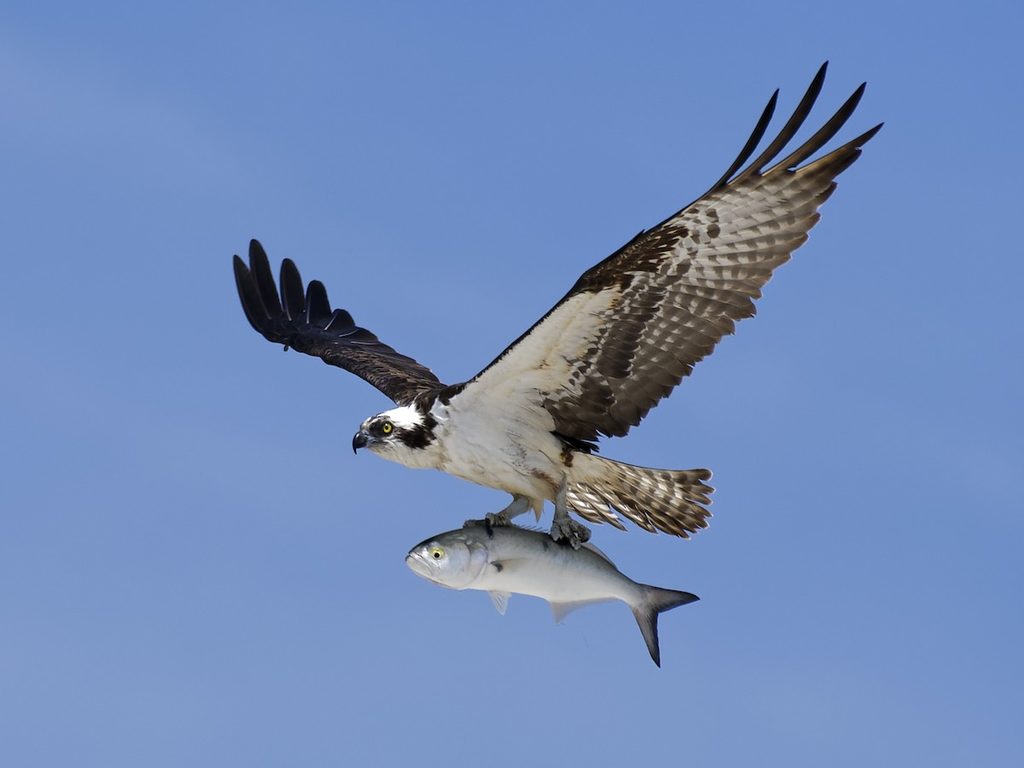
Ospreys are one of the birds we see constantly around the lagoon — often perched high above the water looking for fish. Pelicans, herons, egrets and ibis are common, while roseate spoonbills are impossible to mistake once you see their bright pink plumage.
The wider Space Coast is exceptional for birdlife. Nearby Merritt Island National Wildlife Refuge has recorded 357 bird species, including breeding populations of bald eagles, roseate spoonbills and brown pelicans.
Winter is especially good for birding, but there is something to watch throughout the year.
Are There Alligators in Cocoa Beach?
Yes — but this needs some context.
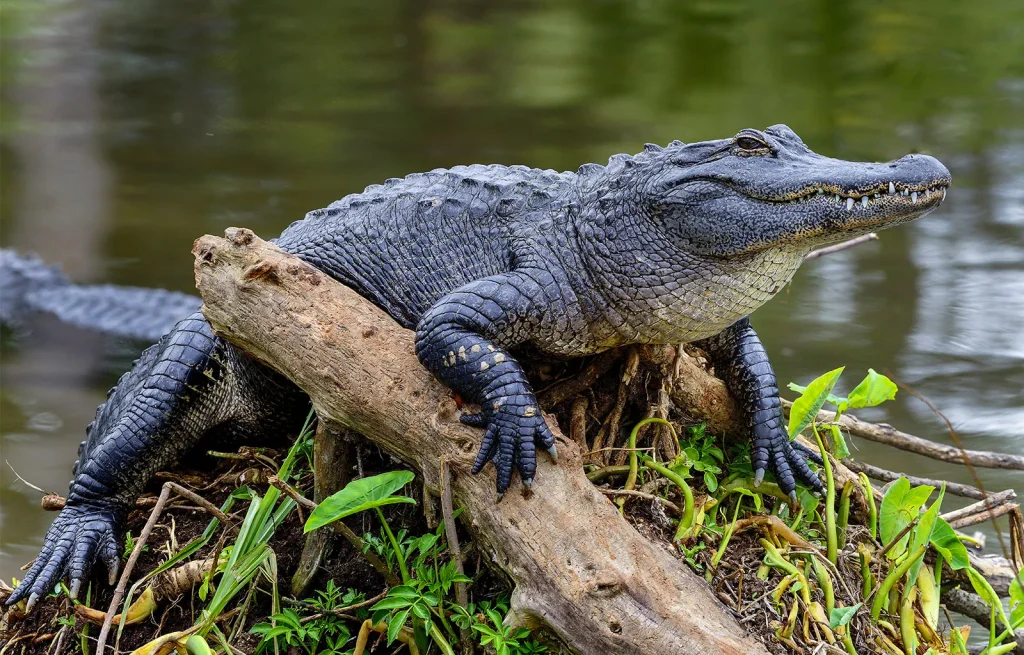
Alligators live throughout Brevard County and occur in freshwater and some brackish environments. But seeing an alligator on Cocoa Beach itself is not a normal beach experience, and we would never tell visitors to expect one during a typical Cocoa Beach visit.
If you specifically want to see alligators in the wild, head toward wetland habitat instead. Merritt Island National Wildlife Refuge, north of Cocoa Beach, is a much more logical place to look; the refuge itself recommends Black Point Wildlife Drive for alligators and water birds.
The Space Race Accidentally Protected a Huge Piece of Wild Florida
Here’s one of the strangest parts of the Space Coast story: the rockets helped protect the wildlife.
In the early 1960s, NASA acquired more than 140,000 acres around what would become Kennedy Space Center. Rockets needed enormous safety buffers, but only a small part of that land was actually developed.
In 1963, the unused land became Merritt Island National Wildlife Refuge, and today more than 95% of Kennedy’s property remains protected habitat, national seashore or operational buffer land.
That doesn’t mean the early space program was environmentally clean – historic launch operations left contaminated sites that NASA has spent decades remediating. But the enormous security zone also kept much of this coastline from being developed.
The result is an unusual landscape where alligators, manatees, sea turtles, bald eagles and rockets all occupy essentially the same piece of Florida.
It may be one of the few places where the need to keep people safely away from rockets ended up giving wildlife more room to live.
And it is entirely possible to spend the morning watching dolphins or bald eagles and later watch a rocket leave Earth from essentially the same landscape.
Where to See Wildlife Around Cocoa Beach
For dolphins and manatees, explore the Banana River and Indian River Lagoon.
For sea turtles, spend time on the Atlantic beach during nesting season — responsibly and preferably around dawn if you simply want to notice tracks and nests without disturbing wildlife.
For birds and alligators, Merritt Island National Wildlife Refuge offers much better habitat than the developed beach area.
And if you want to see the lagoon from the water, a small boat makes it possible to move slowly through shallow areas, stop when wildlife appears and simply watch rather than chase it.
Our team operates small-group dolphin and manatee wildlife tours here, but whether you explore by boat, kayak or from shore, the important thing is to remember that none of these animals are part of an attraction.
They are wild, and this is their home.
→ Explore our Cocoa Beach dolphin & manatee wildlife tours
About Dolphin Family Tours
We spend our days on the Banana River Lagoon and see this wildlife in real conditions throughout the year. This guide is based on what we observe locally, together with information from NOAA, Florida Fish and Wildlife Conservation Commission and U.S. Fish & Wildlife Service.oday!